Source matte painted solar garden lamp for Street, Garden, Path
Find 30 options for a matte painted solar garden lamp suitable for street, garden, and path lighting. Buyers can compare specifications like power, battery type, and IP rating to select the right unit for outdoor illumination needs.
Key considerations
Products List




Comprehensive Sourcing Guide
Strategic Sourcing Guide for Matte Painted Solar Garden Lamps
Understanding the Product Category and Technical Baseline
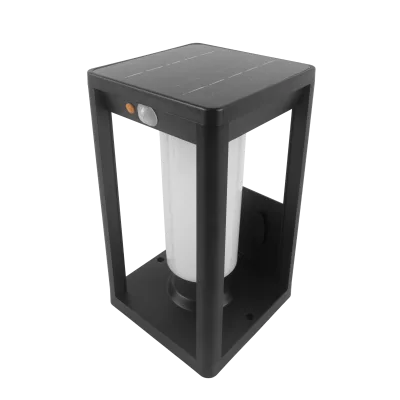
Sourcing matte painted solar garden lamps requires a precise understanding of the intersection between aesthetic finish, solar energy efficiency, and outdoor durability. The core product category encompasses standalone lighting units designed for exterior environments, specifically targeting residential gardens, pathways, and public streets. Based on available market data, these units typically utilize LED lamps as the primary light source, ensuring energy efficiency and a long operational lifespan. The power consumption for these devices generally falls within a low-wattage range, with observed specifications indicating power ratings of less than 6 watts or between 6 and 10 watts depending on the specific model and brightness requirements.
A critical technical differentiator for this category is the finish. The "matte painted" attribute refers to a specific surface treatment applied to the lamp body, often aluminum or plastic, to reduce glare and provide a non-reflective, sophisticated appearance. This finish is achieved through specific technics such as electroplating or matte painting processes. The lamp body material is frequently aluminum, which offers superior corrosion resistance compared to standard plastics, though plastic variants are also present in the market. The solar panel component is a vital subsystem, with observed specifications ranging from small amorphous panels (e.g., 2V 25x25mm or 2V 30x30mm) to slightly larger multi-crystal configurations (2V 40mA). These panels are responsible for converting sunlight into electrical energy stored within the internal battery.
The electrical architecture of these lamps typically operates on low DC voltages. Observed voltage specifications include 1.2V or 2.4V for the battery systems, while some models may support 3-6V or 12/24V input systems depending on the integration complexity. The energy storage is commonly handled by Ni-MH batteries, specifically 1.2V AAA or AA rechargeable types. This battery chemistry is standard for small-scale solar applications due to its balance of cost, safety, and charge retention. The illumination time is a key performance metric, with observed data suggesting operational durations of 8 to 10 hours on a full charge, contingent on the charging time and solar panel efficiency.
Compliance and Certification Verification Protocols
When procuring solar garden lamps, verifying compliance with international safety and environmental standards is non-negotiable. The supply chain for these products is heavily regulated to ensure that the electronic components and materials do not pose risks to human health or the environment. Based on the available product data, the most frequently observed certifications are CE and RoHS. The CE marking indicates conformity with health, safety, and environmental protection standards for products sold within the European Economic Area. The RoHS (Restriction of Hazardous Substances) directive ensures that the product does not contain specific hazardous materials such as lead, mercury, or cadmium in concentrations exceeding the legal limits.
Buyers must treat these certifications as mandatory verification points rather than optional features. The presence of a "Certificate: CE RoHS" or individual "Certification: CE" and "Certification: RoHS" tags in product listings serves as an initial indicator of compliance. However, relying solely on the listing text is insufficient. Procurement teams should request valid test reports from accredited laboratories to confirm that the specific batch of matte painted solar lamps meets these standards. The verification process should extend to the battery chemistry as well; since Ni-MH batteries are common, they must be certified to handle the charge cycles without leaking or degrading prematurely.
Furthermore, the origin of the product plays a role in compliance. The majority of these solar lamps originate from China, with specific manufacturing hubs noted in regions like Zhejiang. While the origin itself does not dictate quality, it informs the regulatory framework the supplier must navigate. Buyers should ensure that the supplier's quality management system aligns with the standards required by their target market. For instance, if the destination market has specific electrical safety requirements beyond CE, the supplier must demonstrate compliance with those local regulations. The absence of a specific certification in the product description should trigger a direct inquiry to the supplier rather than an assumption of non-compliance.
Cost Drivers and Pricing Dynamics
The pricing structure for matte painted solar garden lamps is influenced by a complex interplay of material costs, manufacturing complexity, and order volume. The observed price range in the market spans from 1 to 258 USD, a wide variance that reflects differences in build quality, component specifications, and order quantities. Several key factors drive these costs. First, the lamp body material is a primary cost driver; aluminum bodies, which are often associated with the matte painted finish, generally command a higher price than plastic alternatives due to material costs and the additional processing required for electroplating or painting.
Second, the solar panel efficiency and size directly impact the unit cost. Models equipped with multi-crystal solar panels or larger surface areas (e.g., 40mA capacity) will be priced higher than those with smaller amorphous panels (25x25mm or 30x30mm). The battery capacity is another significant variable; while AAA and AA Ni-MH batteries are standard, the quality of the cells and the brand of the battery manufacturer can influence the final price. Higher-quality cells offer better longevity and charge retention, justifying a premium price point.
Third, the Minimum Order Quantity (MOQ) is a critical factor in determining the effective unit cost. The observed MOQ range for these products is between 1 and 5000 units. Buyers purchasing small quantities, such as single units or small batches, will likely face prices at the higher end of the spectrum. Conversely, bulk orders approaching the 5000-unit threshold can leverage economies of scale to reduce the per-unit cost significantly. The packaging also contributes to the cost; options like "Color Box+Carton" or "Box" packaging vary in material and labor intensity. Customization options, which are listed as available, will invariably add to the base cost, as they require tooling changes or specific production runs.
Typical Applications and Installation Considerations
The versatility of matte painted solar garden lamps makes them suitable for a diverse range of applications, primarily in outdoor environments where grid access is limited or undesirable. The observed usage categories include street lighting and garden illumination. In residential settings, these lamps are ideal for defining pathways, highlighting landscaping features, or providing ambient lighting in courtyards. The matte finish is particularly advantageous in these settings as it minimizes light pollution and glare, creating a softer, more inviting atmosphere compared to glossy finishes.
For commercial or public street applications, the durability of the matte painted aluminum body becomes a crucial asset. These lamps must withstand exposure to rain, UV radiation, and temperature fluctuations. The IP rating, while often listed in conjunction with other attributes in product data, is a critical specification for outdoor use. Buyers should verify the specific IP rating for their intended application; while some data points mention "IPLamp Body Material" or "IPIllumination Time," the actual ingress protection level (e.g., IP44, IP65) must be confirmed to ensure the lamp is protected against dust and water jets.
Installation is generally straightforward, as these are standalone units requiring no wiring. The charging time, observed to be variable, dictates the placement strategy. To ensure optimal performance, lamps should be installed in locations with maximum sun exposure, avoiding shading from trees or buildings. The illumination time, ranging from 8 to 10 hours, suggests that these lamps are designed to operate throughout the night. However, buyers must consider seasonal variations in sunlight; in winter or cloudy regions, the charging efficiency may drop, potentially reducing the illumination duration. The standard dimensions of these lamps, ranging from compact sizes like 5.5x5.5x9cm to larger units like 78x78x34mm, allow for flexible placement in various garden layouts or along streets.
Supplier Evaluation and Quality Control Measures
Evaluating suppliers for matte painted solar garden lamps requires a rigorous approach to quality control and capability assessment. The supply chain for these products is dominated by manufacturers in China, with specific clusters in Zhejiang. Buyers should prioritize suppliers who can demonstrate a consistent track record of producing matte painted finishes without defects such as peeling, uneven coloration, or corrosion. The "Technics" attribute, which includes electroplating and painted matte processes, indicates the level of manufacturing sophistication required. A supplier with advanced electroplating capabilities is more likely to produce durable, high-quality finishes that resist weathering.
Quality control should begin at the factory level. Buyers should request evidence of in-process quality checks, specifically focusing on the painting and assembly stages. The "prod_packing" specifications, such as "Color Box+Carton" or "Carton Package," should be inspected to ensure that the packaging provides adequate protection during transit. Damaged packaging can lead to scratches on the matte finish, which significantly detracts from the product's aesthetic value. Additionally, the "prod_standard" dimensions, which vary from 6.2x6.2x42cm to 12x10.5x38.5cm, must be verified to ensure the products meet the design specifications.
Supplier evaluation should also include a review of their customization capabilities. Since customization is listed as available, suppliers should be able to accommodate specific requests regarding voltage, battery type, or solar panel size. However, buyers must be cautious of suppliers who promise extensive customization without a clear understanding of the technical constraints. For instance, changing the battery type or voltage may require a complete redesign of the internal circuitry, which could impact the lead time and cost.
Long-Term Procurement and Lifecycle Management
Long-term procurement of matte painted solar garden lamps involves more than just the initial purchase; it requires a strategy for maintenance, replacement, and scalability. The lifespan of these lamps is largely determined by the durability of the solar panel and the battery. Ni-MH batteries typically have a finite number of charge cycles, and their performance will degrade over time. Buyers should plan for periodic battery replacements or consider suppliers who offer modular designs where the battery can be easily swapped.
The matte painted finish is another long-term consideration. While aluminum bodies are resistant to corrosion, the paint layer can eventually degrade under intense UV exposure. Buyers should inquire about the UV resistance of the paint and the expected lifespan of the finish. In harsh environments, a matte painted lamp may require more frequent cleaning or eventual replacement compared to a powder-coated alternative.
Scalability is also a key factor. As the demand for solar lighting grows, buyers may need to increase their order volumes. The observed MOQ range of 1 to 5000 units suggests that suppliers can accommodate both small pilot projects and large-scale deployments. However, buyers should establish a relationship with a supplier who can guarantee consistent quality across large batches. Variations in the solar panel efficiency or battery capacity between batches can lead to inconsistent performance, which is unacceptable for large installations.
Finally, buyers should consider the end-of-life disposal of these lamps. The presence of batteries and electronic components means that proper recycling is essential. Suppliers who adhere to RoHS standards are more likely to have processes in place for the responsible disposal of their products. By focusing on long-term lifecycle management, buyers can ensure that their investment in matte painted solar garden lamps remains sustainable and cost-effective over time.
Comparative Analysis of Key Product Attributes
To facilitate informed decision-making, the following table summarizes the key attributes observed in the market for matte painted solar garden lamps. This comparison highlights the variability in specifications that buyers must navigate when selecting the right product for their needs.
| Attribute | Observed Range / Options | Procurement Consideration |
|---|---|---|
| Light Source | LED Lamp | Standard for efficiency; verify lumens output. |
| Power Rating | <6W, 6W-10W, ≤5W | Lower wattage suits small gardens; higher for streets. |
| Voltage | 1.2V/2.4V, 3-6V, 12/24V | Match with battery and solar panel specs. |
| Battery Type | Ni-MH (AAA, AA) | Check cycle life and replacement availability. |
| Solar Panel | 2V 25x25mm, 2V 30x30mm, 2V 40mA | Larger panels offer better charging in low light. |
| Body Material | Aluminum, Plastic | Aluminum preferred for durability and heat dissipation. |
| Finish | Matte Painted, Electroplated | Verify UV resistance and adhesion quality. |
| IP Rating | Variable (often linked to body) | Confirm specific IP level for water/dust protection. |
| Certification | CE, RoHS | Mandatory for safety and environmental compliance. |
| Origin | China (Zhejiang) | Consider logistics and lead times from this region. |
| Packaging | Color Box, Carton, Box | Ensure packaging protects the matte finish. |
| Customization | Available | Clarify scope and impact on MOQ and lead time. |
This table serves as a checklist for buyers to ensure they are evaluating all critical aspects of the product. By systematically reviewing these attributes against their specific project requirements, buyers can mitigate risks and select solar garden lamps that deliver the desired performance and aesthetic value.
FAQs
What certifications do matte painted solar garden lamps typically have?
These lamps typically carry CE and RoHS certifications to ensure safety and environmental compliance. Buyers should verify these tags in product listings and request valid test reports from accredited laboratories to confirm batch-specific adherence to international standards before procurement.
How is the lamp body material and finish described for these products?
The lamp body is commonly made of aluminum or plastic with a matte painted finish to reduce glare. This finish is achieved through technics like electroplating or painting, providing a non-reflective appearance suitable for outdoor garden and street applications.
Which battery types and voltages are used in these solar lamps?
These lamps typically use 1.2V Ni-MH rechargeable batteries, specifically AAA or AA sizes. Some models may operate on 1.2V, 2.4V, or support 3-6V input systems, ensuring efficient energy storage for 8 to 10 hours of illumination time.
Can buyers customize the specifications of these solar garden lamps?
Yes, customization is available for these products, allowing adjustments to voltage, battery type, or solar panel size. However, significant changes may require redesigning internal circuitry, which could impact lead times and increase the base unit cost depending on the supplier.
What is the observed price range and MOQ for these lamps?
The observed price range spans from 1 to 258 USD, while the Minimum Order Quantity ranges from 1 to 5000 units. Bulk orders near the 5000-unit threshold can leverage economies of scale to significantly reduce the per-unit cost compared to small batches.
How long do these lamps illuminate after a full charge?
These lamps typically provide 8 to 10 hours of illumination on a full charge. The actual duration depends on the charging time, solar panel efficiency, and seasonal sunlight availability, requiring installation in locations with maximum sun exposure for optimal performance.